
Guide
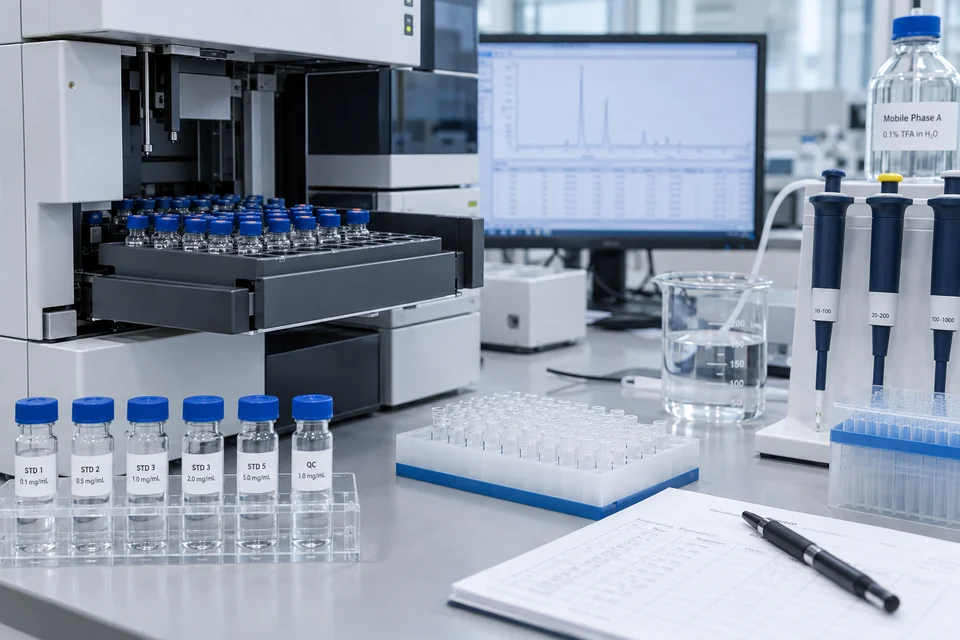
Peptide Manufacturing Quality Control
Make methods, acceptance criteria, sampling and deviations part of the written scope.
Read guide →Practical guides to sourcing, specifications, documentation and custom peptide projects.
Make methods, acceptance criteria, sampling and deviations part of the written scope.
Read guide →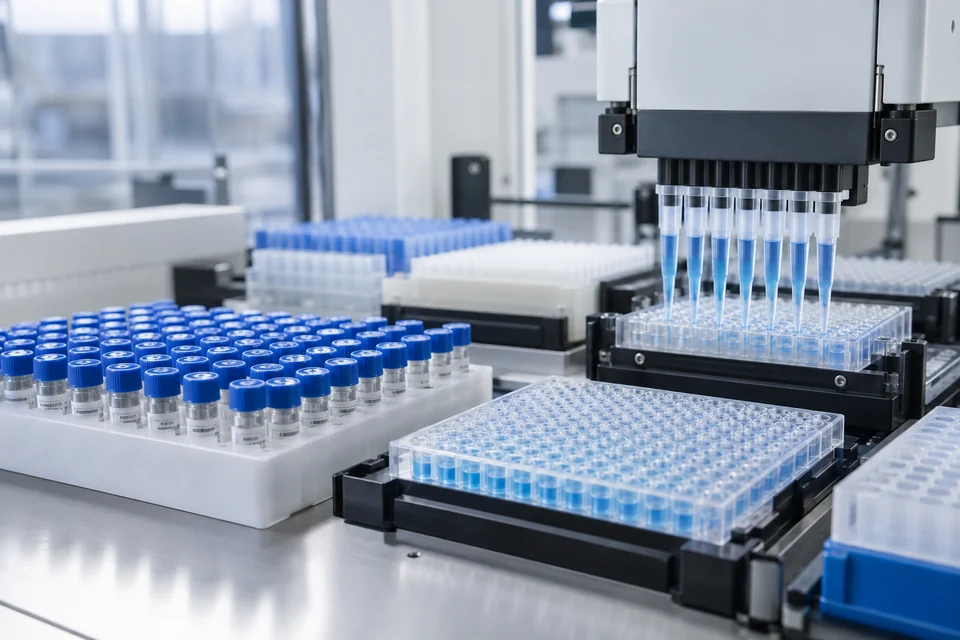
Define sequence logic, plate or vial format, quality target and data structure.
Read guide →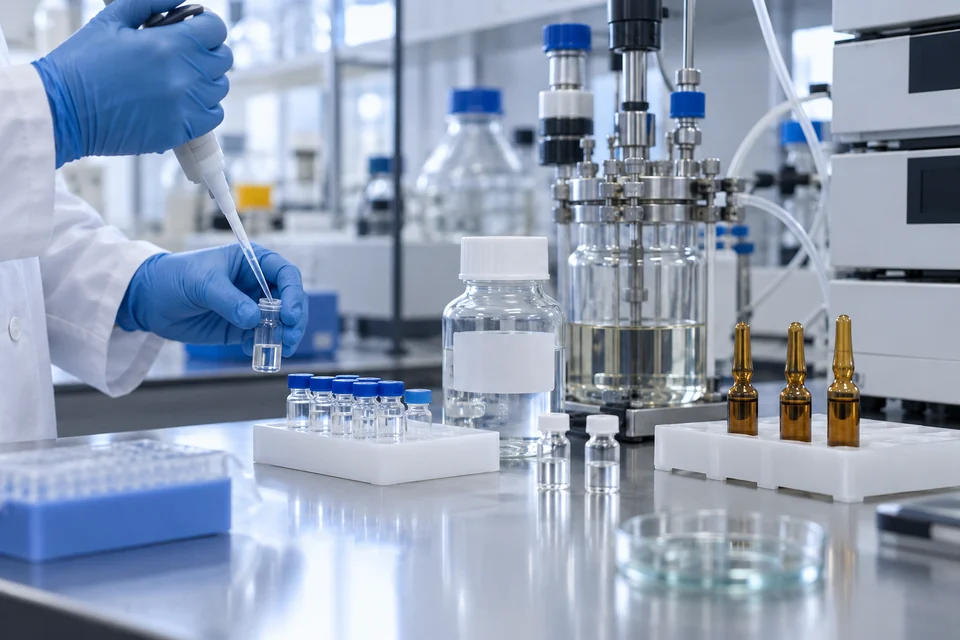
Clarify attachment site, material attributes, analytical strategy and intended application.
Read guide →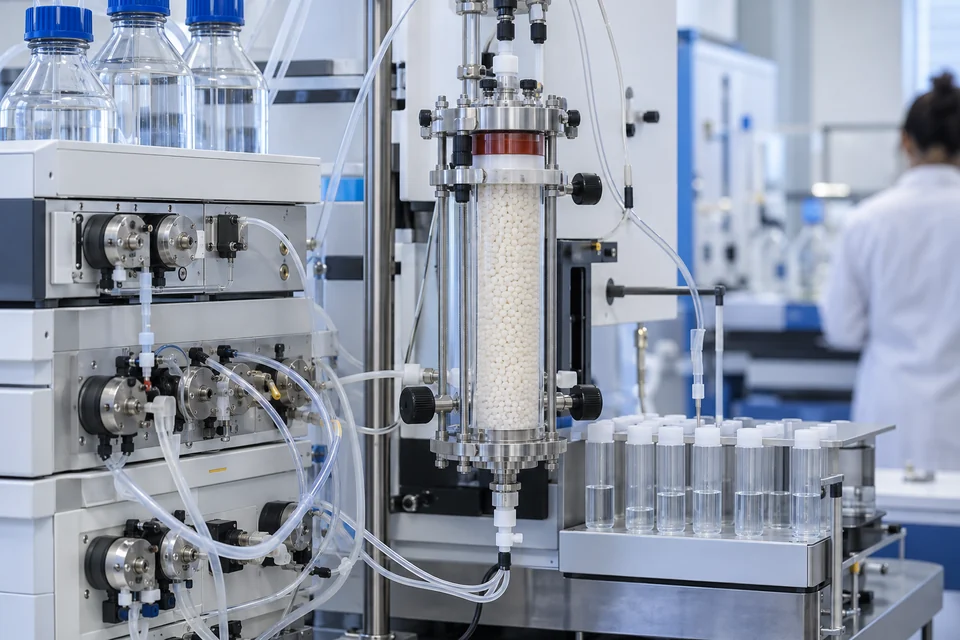
Assess resin, coupling, deprotection, solvent, cleavage and purification choices.
Read guide →
Cyclization strategy and purification risk should be addressed early.
Read guide →
Describe each modification, position, salt or counter-ion and analytical need.
Read guide →
Review certificate scope and the product-specific controls required by the project.
Read guide →
Commercial scale depends on sequence, route, purification and target specification.
Read guide →
Connect ingredient identity, formula context, sample design and destination review.
Read guide →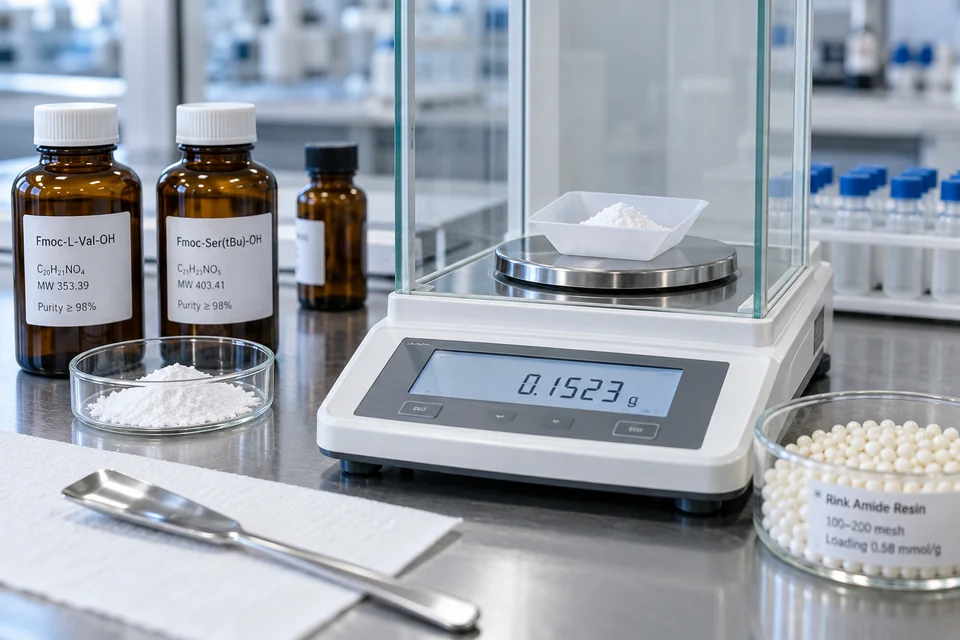
Confirm identity, downstream fit, specification, impurity expectations and packaging.
Read guide →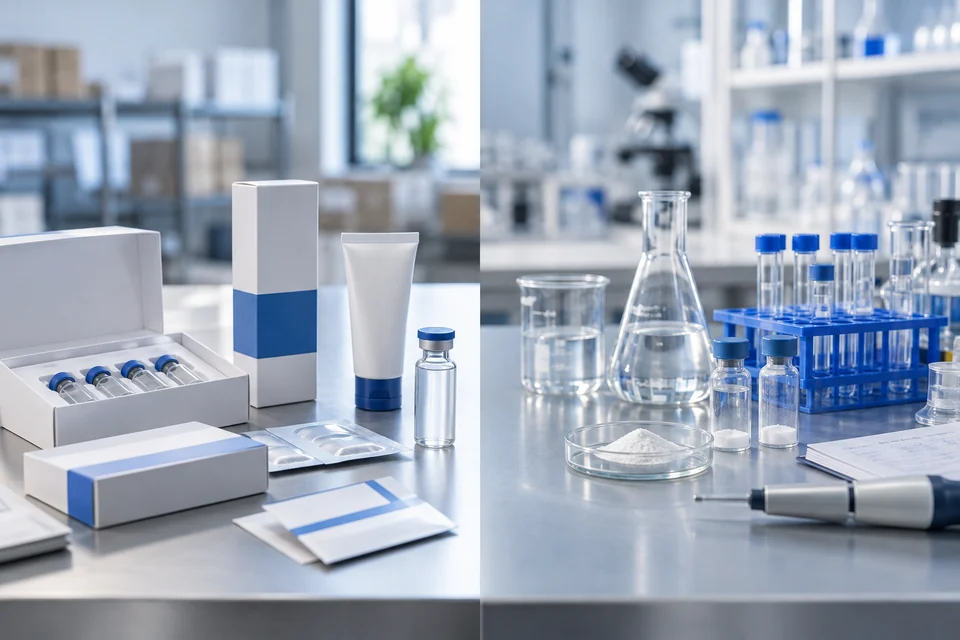
Choose a model based on development ownership, technical complexity and documentation needs.
Read guide →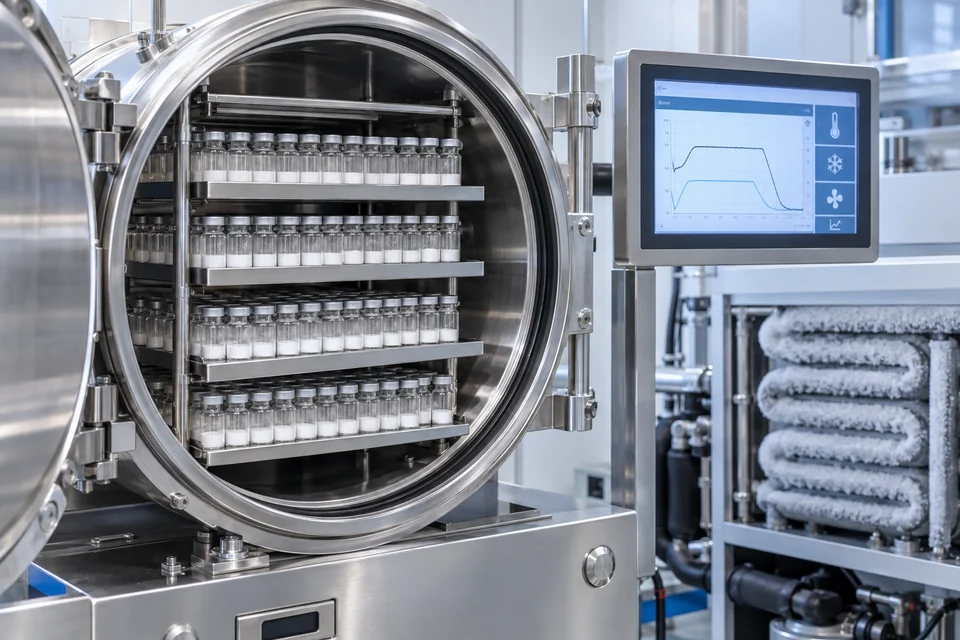
Align formulation, cycle, container, presentation, testing and packaging requirements.
Read guide →A process performance qualification study needs a defined process, ready equipment and a sampling rationale that can expose variation. Review those conditions before assigning batches, and decide how deviations will affect the conclusion before execution begins.
Low production volume makes process trends harder to interpret, but it does not remove the need to review them. Define comparable observations, retain campaign context and investigate directional changes before a release failure becomes the first signal.
A final chromatogram may omit the events that produced its reported result. A focused audit-trail review connects acquisition, processing changes and approvals, allowing reviewers to investigate unexplained events while preserving the complete analytical record.
Cleaning evidence must address the residue, the equipment and the ability to recover what remains. Review difficult surfaces, analytical sensitivity and the cleaning sequence before accepting a conclusion based only on a clean appearance or a final rinse.